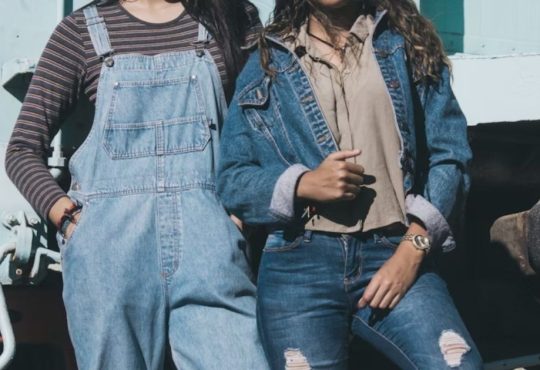


Outfits can appear perfectly coordinated until shoes are added, at which point the look may feel off, too dressy, too casual, or unplanned. Shoes do more than complete an outfit; they define it. They determine whether an appearance is polished, relaxed, edgy, professional, romantic, powerful, or mismatched for the occasion. The same top and jeans can create multiple distinct looks simply by changing footwear. Sneakers convey effortlessness, loafers suggest a put-together style, heels indicate intention, and boots communicate strength. Footwear has a significant impact on an outfit’s overall presentation.
Matching shoes with outfits is not a matter of strict fashion rules or replicating visual references exactly. It relies on understanding balance, mood, and intention. When these elements align, dressing becomes simpler, more cohesive, and visually effective.
The following sections clearly and logically outline the core ideas.
10 Stylish Tricks to Match Shoes with Every Outfit
1. Start With the Vibe, Not the Colour
Before you even look at colours, brands, or heel heights, ask one simple question:
What’s the mood of this outfit?
Because shoes live in the world of your outfit, they can elevate it, relax it, sharpen it, or completely sabotage it.
Here’s a simple vibe framework you can use:
- Casual and relaxed outfits pair well with sneakers, slides, espadrilles, or flat sandals.
- Smart casual outfits work well with loafers, ballet flats, clean leather sneakers, or low boots.
- Heels, pumps, strappy sandals, or polished dress shoes complement dressy or formal outfits.
- Edgy or fashion-forward outfits pair effectively with chunky boots, statement heels, sculptural shoes, or unique textures.
Your shoes should make sense emotionally, not just visually.
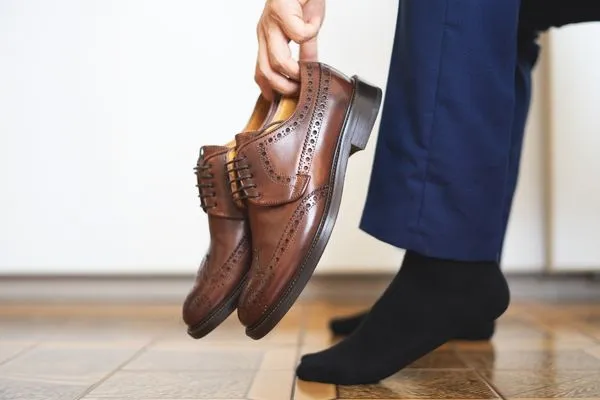
A silk slip dress with beat-up gym shoes sends mixed signals (unless you’re intentionally styling contrast). A tailored blazer with neon flip-flops sends a very confusing message. And confusion is not a style aesthetic most people are going for.
When shoes and clothing share a similar material or texture, outfits appear cohesive. When materials contrast, the combination can still succeed if it is intentional.
Quick vibe-check trick:
If someone saw only your shoes, could they roughly guess what kind of outfit you’re wearing? If yes, you’re on the right track.
2. Let Your Outfit’s Star Decide the Shoes
Every good outfit has a main character. Maybe it’s:
- wide-leg trousers
- a bold printed dress
- a sharp blazer
- dramatic sleeves
- a statement bag
- or even a bright lipstick that sets the tone
Your shoes should either:
Support the star (simple, neutral, clean, understated), or
Become the star (bold colour, unusual shape, interesting texture, eye-catching detail)
Problems happen when both your outfit and your shoes are screaming for attention.
For outfits with bold prints, multiple layers, strong colors, or dramatic shapes, simpler shoes create balance and ground the look.
Minimal outfits, such as plain jeans and a white top, a slip dress, or a monochrome set, allow shoes to add interest. Metallic finishes, animal prints, sculptural heels, statement boots, and retro sneakers provide personality and elevate the overall style.
Style secret:
When nothing feels right, it’s often because both the outfit and the shoes are trying to be the main character. Someone needs to be the lead. Someone needs to be the supporting cast. Fashion harmony depends on it.
3. Match the Weight of the Outfit
Heavy clothes want heavier shoes. Light clothes with lighter shoes.
This is one of the fastest ways to make outfits look naturally balanced.
- Flowy dresses, linen sets, summer skirts, airy fabrics → strappy sandals, ballet flats, espadrilles, slim sneakers
- Denim, knits, cotton sets, tailored basics → sneakers, loafers, mules, ankle boots
- Coats, leather, oversized layers, thick fabrics → boots, platforms, structured shoes, chunkier soles
Chunky boots paired with a delicate sundress can create an appealing contrast when intentionally and carefully styled. Otherwise, the outfit may appear bottom-heavy or visually disconnected.
On the flip side, wearing whisper-thin sandals with a heavy coat or thick tailoring can make the outfit feel unfinished, like something is missing.
A good question to ask:
Do my shoes visually belong to the same season and fabric world as my clothes?
4. Understand Casual vs Dressy Shoes (Because This Changes Everything)
A lot of shoe confusion comes from mixing different levels of formality.
Casual Shoes
- athletic sneakers
- canvas shoes
- slides and flip-flops
- flat sandals
- rubber soles, fabric uppers
These work best with relaxed outfits: denim, athleisure, casual dresses, knits, and everyday wear.
Smart Casual Shoes
- loafers
- ballet flats
- leather sneakers
- mules
- low boots
These are the bridge shoes. They’re perfect for work-casual, brunch, travel outfits, casual dates, and anything that needs to look put-together without looking dressed up.
Dressy Shoes
- heels
- pumps
- strappy sandals
- pointed-toe flats
- polished leather shoes
These elevate outfits instantly and belong with structured silhouettes, refined fabrics, or events where intention matters.
If your outfit feels “off,” it’s often because your shoes are operating at a different formality level than your clothes.
Sweatpants with stilettos, a ball gown with running shoes, or a business suit with beach slides can work in editorial shoots, but real life needs a little more logic.
5. Use Colour the Smart (and Lazy) Way
You don’t need to perfectly match shoes to your outfit. In fact, perfectly matching is often what makes outfits look dated or forced.
You need them to make sense.
Easy, always-working options:
- Neutral shoes: black, white, beige, tan, brown, gray
- Shoes that match one thing you’re already wearing (bag, belt, top, jewelry, print detail)
- Shoes that repeat the outfit’s mood (earthy, soft, bold, dark, playful)
A great trick: if your outfit is colourful or printed, pick a shoe colour that already appears in the look. Even a tiny detail counts. It feels intentionally done without trying too hard.
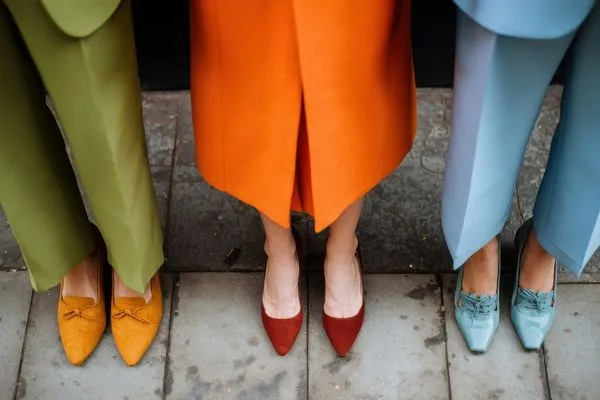
Another smart approach is contrast with control:
- all-black outfit with white shoes
- neutral outfit with bright shoes
- soft outfit with metallic shoes
Contrast gives energy. Repetition gives harmony. The best outfits usually have both.
6. Dress for the Occasion, Not Just the Outfit
The same outfit changes meaning depending on the shoes.
- Jeans + tee + sneakers = errands, travel, off-duty
- Jeans + tee + loafers = casual meetings, coffee dates
- Jeans + tee + heels or boots = dinner, events, nights out
Same clothes. Totally different story.
Shoes are usually the answer.
A gorgeous outfit that hurts your feet at a 10-hour event is not stylish. A beautiful dress paired with shoes you can’t walk in turns confidence into survival mode.
Real style considers setting, time, comfort, movement, and mood.
Because looking good should never mean suffering for no reason.
7. Let Silhouettes Work Together
Shoes don’t exist alone. They sit at the base of your silhouette. They finish off your outfit.
Some easy pairings:
- Wide-leg pants → chunky sneakers, platforms, boots, structured shoes
- Skinny jeans or slim pants → boots, loafers, ballet flats, sleek sneakers
- Midi skirts → ankle boots, ballet flats, low heels, retro sneakers
- Mini skirts or shorts → boots, sneakers, statement shoes
- Maxi dresses → sandals, wedges, boots, depending on fabric and season
Pointed shoes lengthen the body. Chunky shoes ground the look. Delicate shoes soften it. Structured shoes sharpen it.
When shoes reflect the lines and shapes of the clothing, outfits appear deliberately styled, even with simple pieces.
8. Materials Matter More Than People Realize
Fabric communicates style. Leather, suede, canvas, mesh, satin, and rubber each convey a distinct visual and textural impression.
- Linen dress + satin heels = elegant, elevated
- Linen dress + canvas sneakers = relaxed, daytime
- Leather pants + suede boots = rich, textured
- Knit set + mesh sneakers = sporty, modern
When shoes and clothing share a similar material or texture, outfits appear cohesive. When materials contrast, the combination can still succeed if it is intentional.
A shiny shoe with a casual outfit becomes the focal point. A matte shoe with a formal outfit tones it down. Use materials the way you’d use tone of voice.
9. Build a Shoe Wardrobe That Makes Matching Easy
If every shoe you own is dramatic, matching gets exhausting. If every shoe you own is basic, outfits get boring.
A smart shoe wardrobe usually includes:
- clean everyday sneakers
- a neutral flat
- a smart casual option (loafer, mule, or low boot)
- a comfortable dressy shoe
- a statement shoe
- a seasonal shoe (sandals or boots)
This way, no matter what outfit you’re wearing, there’s always something that naturally fits.
Good shoes are not just accessories. They’re tools.
10. When in Doubt, Go Simple and Clean
If you’re unsure, choose shoes that are:
- clean
- in good condition
- neutral
- appropriate for the setting
Well-kept, simple shoes will always beat “interesting but wrong.”
Scuffed statement shoes appear worn and neglected. Overcomplicated shoes fail to look stylish when they do not complement the outfit, creating a disjointed appearance.
Style is built on good basics. The bold stuff shines way more when the foundation is solid.

Achieving Harmony in Outfits
Matching shoes with outfits is not a matter of strict fashion rules. It involves creating a cohesive visual narrative. Clothing establishes the tone, and shoes provide the finishing touch. When the elements work together harmoniously, focus shifts from individual pieces to the overall appearance, producing a polished, well-coordinated look.